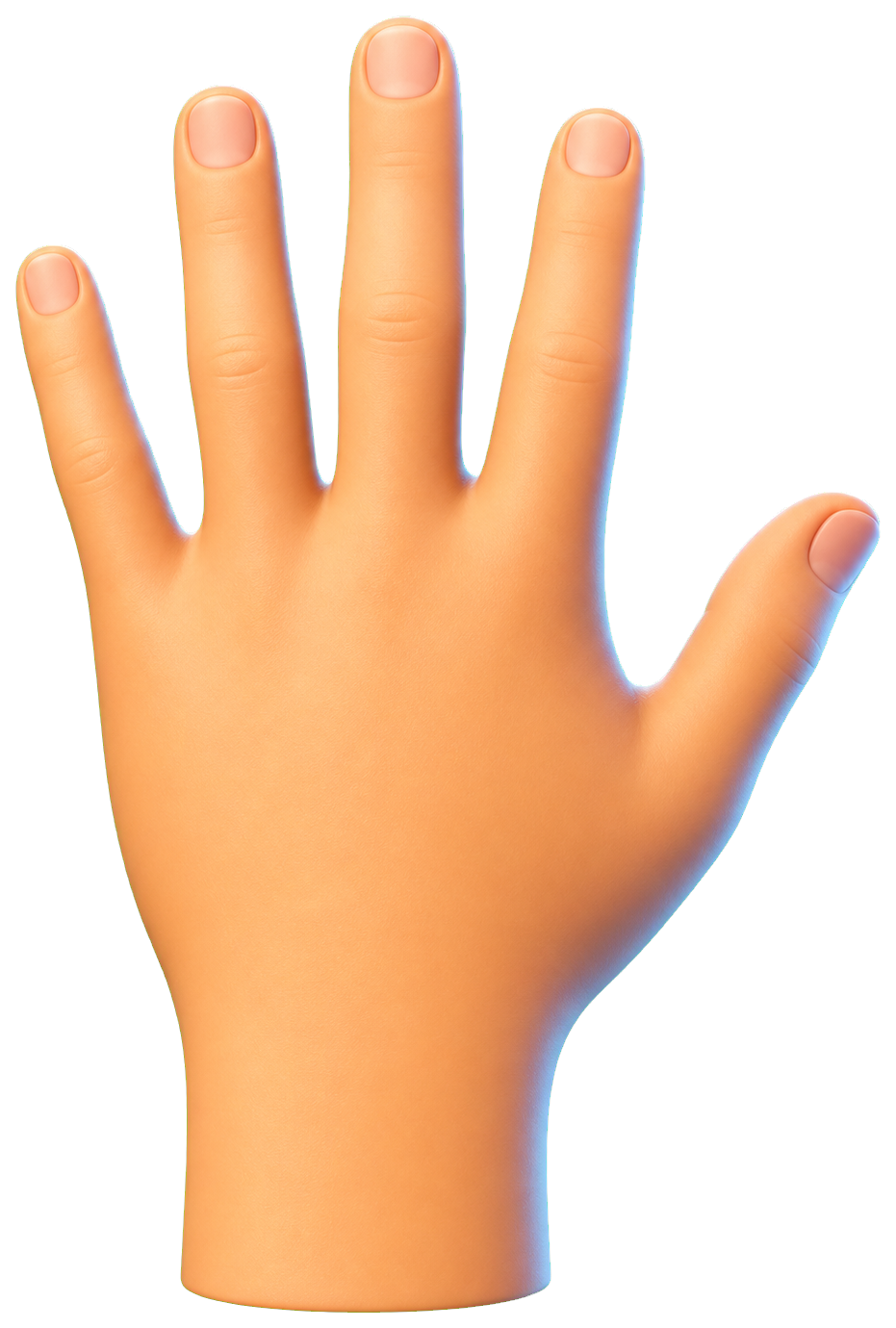
 A Q Z
S W X
D E C
F G R T V B
space
A Q Z
S W X
D E C
F G R T V B
space
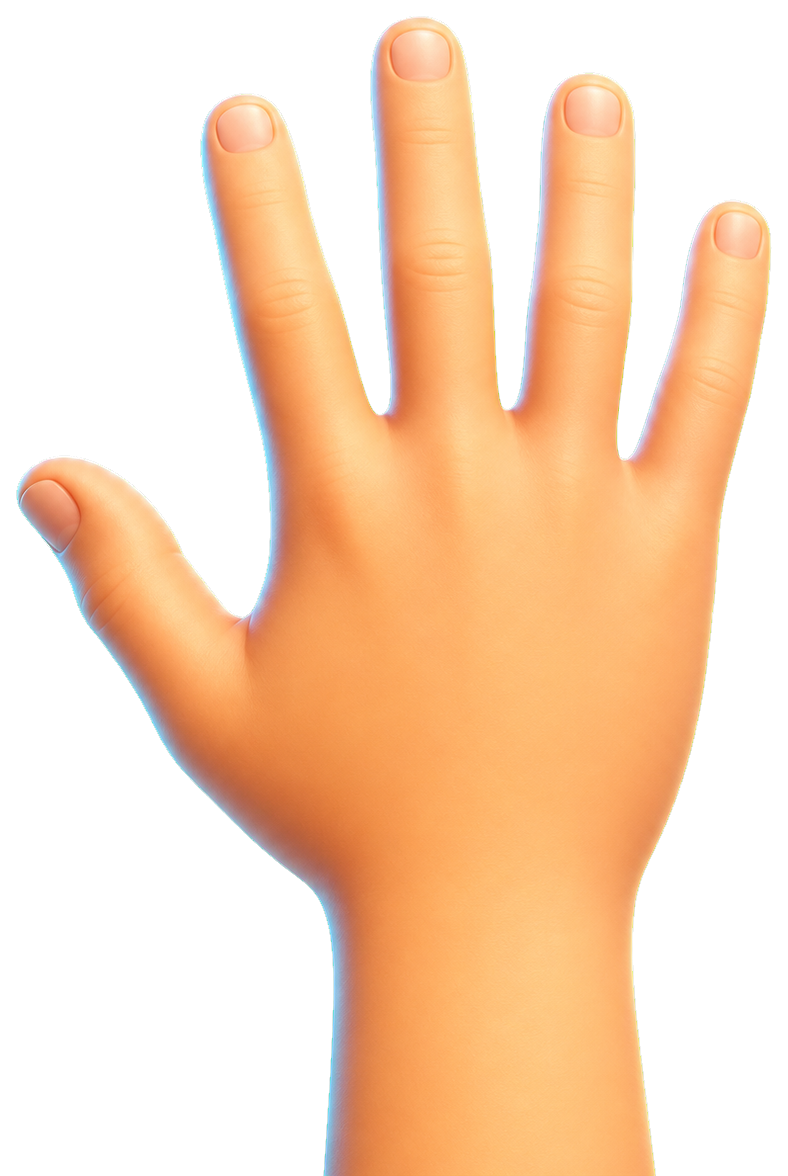 H J Y U N M
K I ,
L O .
P ; /
space
H J Y U N M
K I ,
L O .
P ; /
space
Practice without noise
A clean workspace keeps the text, caret and feedback in one visual flow during every WPM test.
A calmer way to type faster
Gender bias, one of the most enduring social injustices, continues to cast its subtle yet pervasive shadow across the modern world. Despite decades of reform, education, and activism, the deep-rooted hierarchies of patriarchy persist-reshaping themselves within new cultural and institutional frameworks. It is no longer always the overt denial of rights that defines gender inequality, but the quieter, insidious mechanisms of exclusion and undervaluation. From corporate boardrooms to domestic spaces, from digital platforms to political assemblies, the unequal valuation of male and female agency persists under the guise of merit, tradition, or even biology. The complexity of gender bias lies in its invisibility; it is embedded not merely in laws or customs but in language, representation, and perception. A woman's competence is too often measured against masculine standards of authority, while emotional intelligence-long dismissed as weakness-is rarely recognized as leadership. Similarly, men, confined within the rigid constructs of dominance, are discouraged from empathy and vulnerability, creating a dual imprisonment that impoverishes both genders. Gender bias, therefore, is not only a social injustice but also an intellectual distortion-a failure to perceive human potential in its entirety. In the digital age, where equality is loudly proclaimed yet subtly violated, technology itself has become both a tool and a trap. Algorithms replicate the prejudices of their programmers; social media amplifies stereotypes under the illusion of free expression. The struggle against gender bias thus demands more than legislation-it requires a transformation of consciousness, a reimagining of equality that transcends tokenism and symbolism. True progress will emerge not when genders compete for dominance, but when humanity recognizes that justice lies in balance, not hierarchy. Until that equilibrium is achieved, gender bias will remain the silent architect of inequality, shaping societies that speak of fairness but live in its absence.
Browse all typing paragraphs →A clean workspace keeps the text, caret and feedback in one visual flow during every WPM test.
Switch between timed typing speed tests, word goals and curated passages. Add punctuation or numbers when ready.
Review speed, accuracy, consistency and your pace across the full test so the next session has a clear focus.