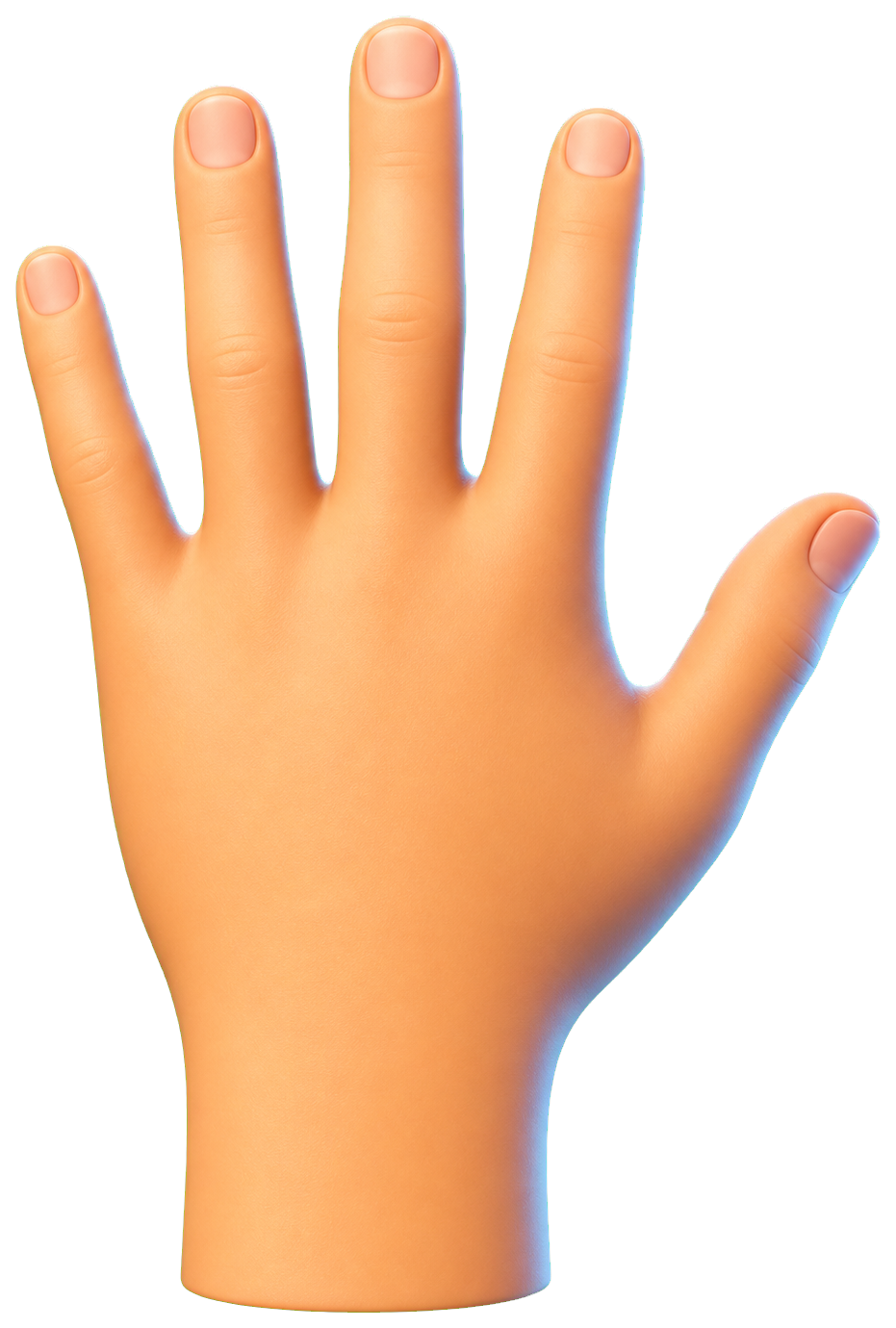
 A Q Z
S W X
D E C
F G R T V B
space
A Q Z
S W X
D E C
F G R T V B
space
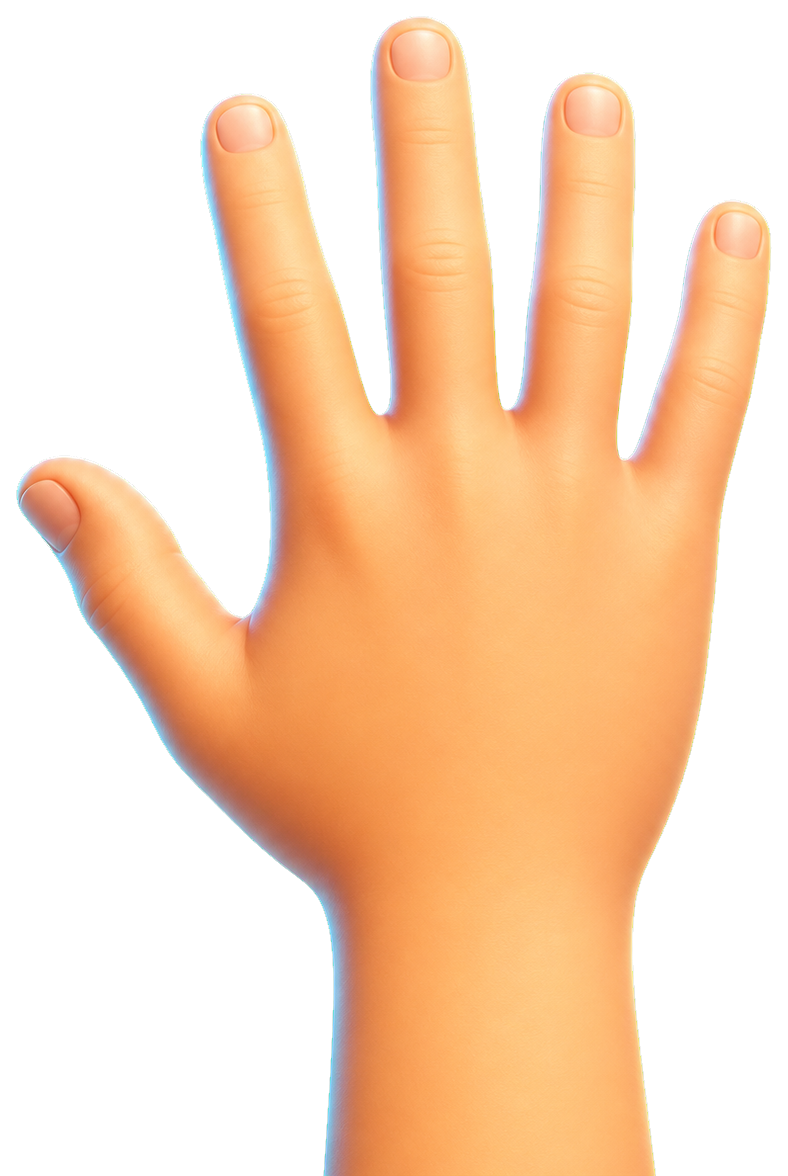 H J Y U N M
K I ,
L O .
P ; /
space
H J Y U N M
K I ,
L O .
P ; /
space
Practice without noise
A clean workspace keeps the text, caret and feedback in one visual flow during every WPM test.
A calmer way to type faster
The history of computers dates back thousands of years, beginning with simple counting tools and evolving into the powerful machines we use today. The earliest computing devices were basic tools such as the abacus, developed around 5000 years ago, which helped people perform arithmetic calculations. In the 17th century, mechanical calculators like Blaise Pascal's Pascaline and Gottfried Wilhelm Leibniz's stepped reckoner were invented to simplify mathematical work. In the early 19th century, Charles Babbage, known as the "Father of Computers," designed the first mechanical computer called the Analytical Engine, which had features similar to modern computers, such as a processor and memory. Later, Ada Lovelace, a mathematician, wrote the first algorithm for Babbage's machine and is considered the world's first computer programmer. In the 1930s and 1940s, computers became more advanced with the invention of electromechanical machines and the first electronic computers. Alan Turing, an important figure in computer science, developed the concept of the modern computer and algorithms. The first electronic general-purpose computer, ENIAC, was created in 1945. This marked the beginning of the electronic age of computing. The 1950s saw the development of the first commercial computers and the use of transistors, which made computers faster and more reliable. The 1960s brought integrated circuits, leading to smaller and more efficient computers. In the 1970s and 1980s, microprocessors were developed, paving the way for personal computers (PCs). Companies like IBM, Apple, and Microsoft became pioneers of computing technology. The 1990s introduced the Internet, connecting computers worldwide and changing the way people work, communicate, and access information. Today, computers are an essential part of everyday life, found in homes, offices, schools, and industries. Modern computers are powerful, portable, and capable of complex tasks, and the development of artificial intelligence (AI) continues to shape the future of computing. The history of computers is a story of continuous innovation that transformed human life in countless ways.
Browse all typing paragraphs →A clean workspace keeps the text, caret and feedback in one visual flow during every WPM test.
Switch between timed typing speed tests, word goals and curated passages. Add punctuation or numbers when ready.
Review speed, accuracy, consistency and your pace across the full test so the next session has a clear focus.