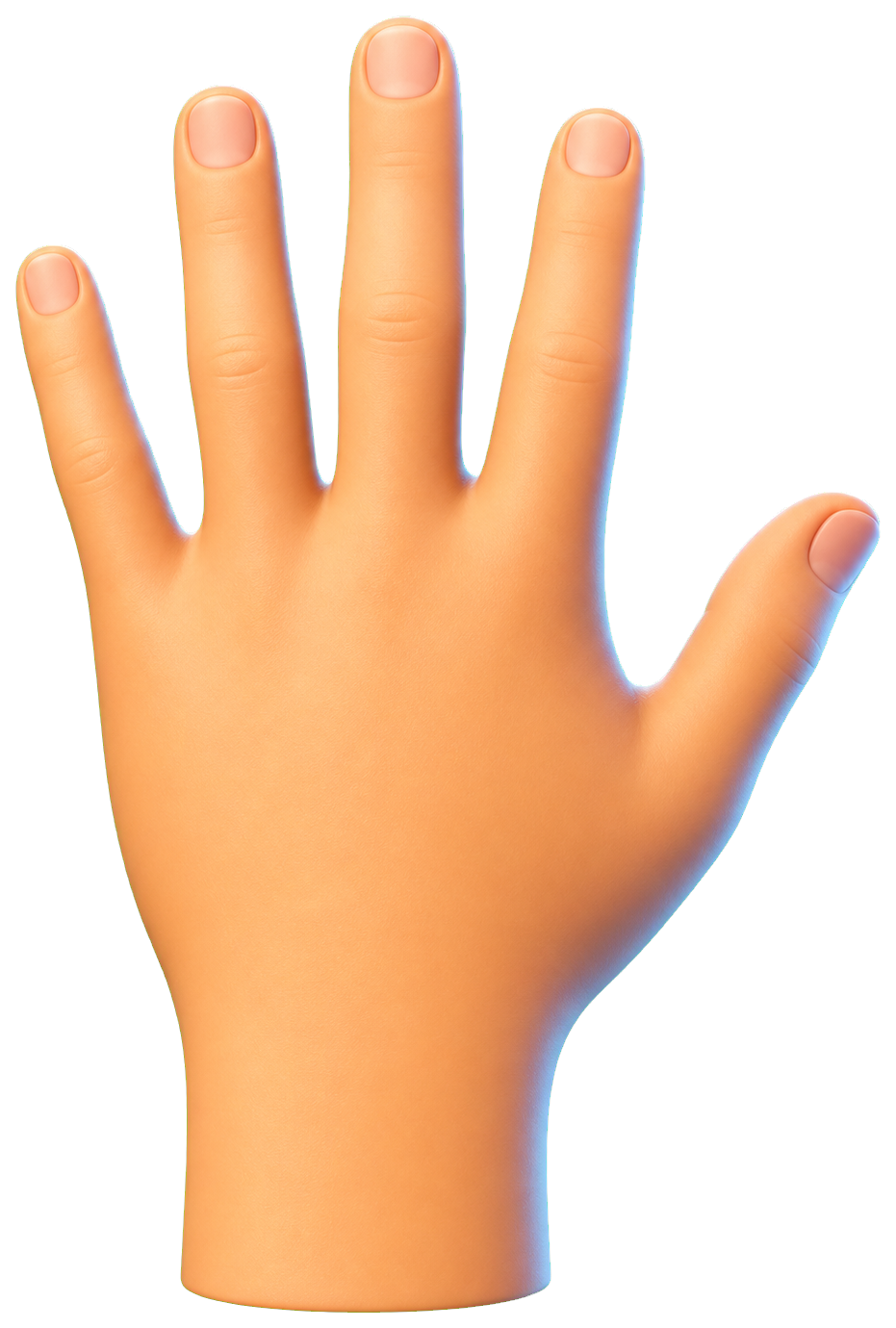
 A Q Z
S W X
D E C
F G R T V B
space
A Q Z
S W X
D E C
F G R T V B
space
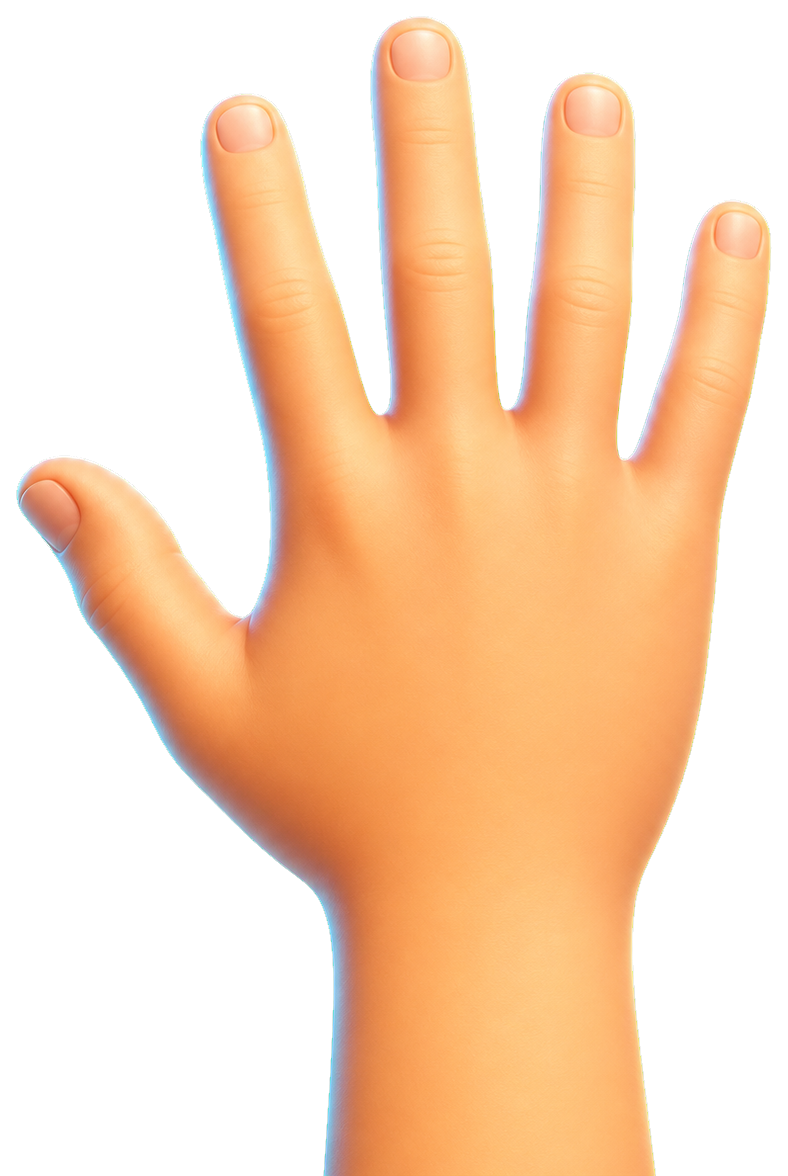 H J Y U N M
K I ,
L O .
P ; /
space
H J Y U N M
K I ,
L O .
P ; /
space
Practice without noise
A clean workspace keeps the text, caret and feedback in one visual flow during every WPM test.
A calmer way to type faster
Rain is one of the most important natural phenomena that affects life on Earth. It is the process by which water falls from the sky in the form of droplets. Rain is an essential part of the water cycle, which keeps the Earth alive and supports all living things. Rain is formed when water from oceans, rivers, and lakes evaporates due to the heat of the sun, rises into the atmosphere, cools down, and condenses into clouds. When these clouds become heavy, water falls back to the Earth as rain. Rain is very important for many reasons. First, it provides fresh water, which is necessary for drinking, cooking, and cleaning. Second, rain is essential for agriculture. Farmers depend on rain to water crops, which help produce food for people and animals. Without enough rain, crops fail and lead to droughts and food shortages. Third, rain helps refill rivers, lakes, and underground water sources, maintaining a balance in nature. Rain also helps in maintaining the temperature of the Earth and keeps the environment cool. Moreover, rain is important for forests, as it supports the growth of plants and trees, which in turn produce oxygen for us to breathe. Rain also affects the economy, especially in countries where agriculture is a major source of income. In addition to its benefits, too much or too little rain can cause problems. Excessive rain may cause floods and soil erosion, while lack of rain may lead to droughts and water scarcity. Therefore, rain must be balanced for a healthy environment. Rain is not just water falling from the sky; it is a blessing that sustains life, nourishes the Earth, and supports the survival of humans, animals, and plants. Protecting our water resources is essential to ensure that rain continues to support life for generations to come.
Browse all typing paragraphs →A clean workspace keeps the text, caret and feedback in one visual flow during every WPM test.
Switch between timed typing speed tests, word goals and curated passages. Add punctuation or numbers when ready.
Review speed, accuracy, consistency and your pace across the full test so the next session has a clear focus.