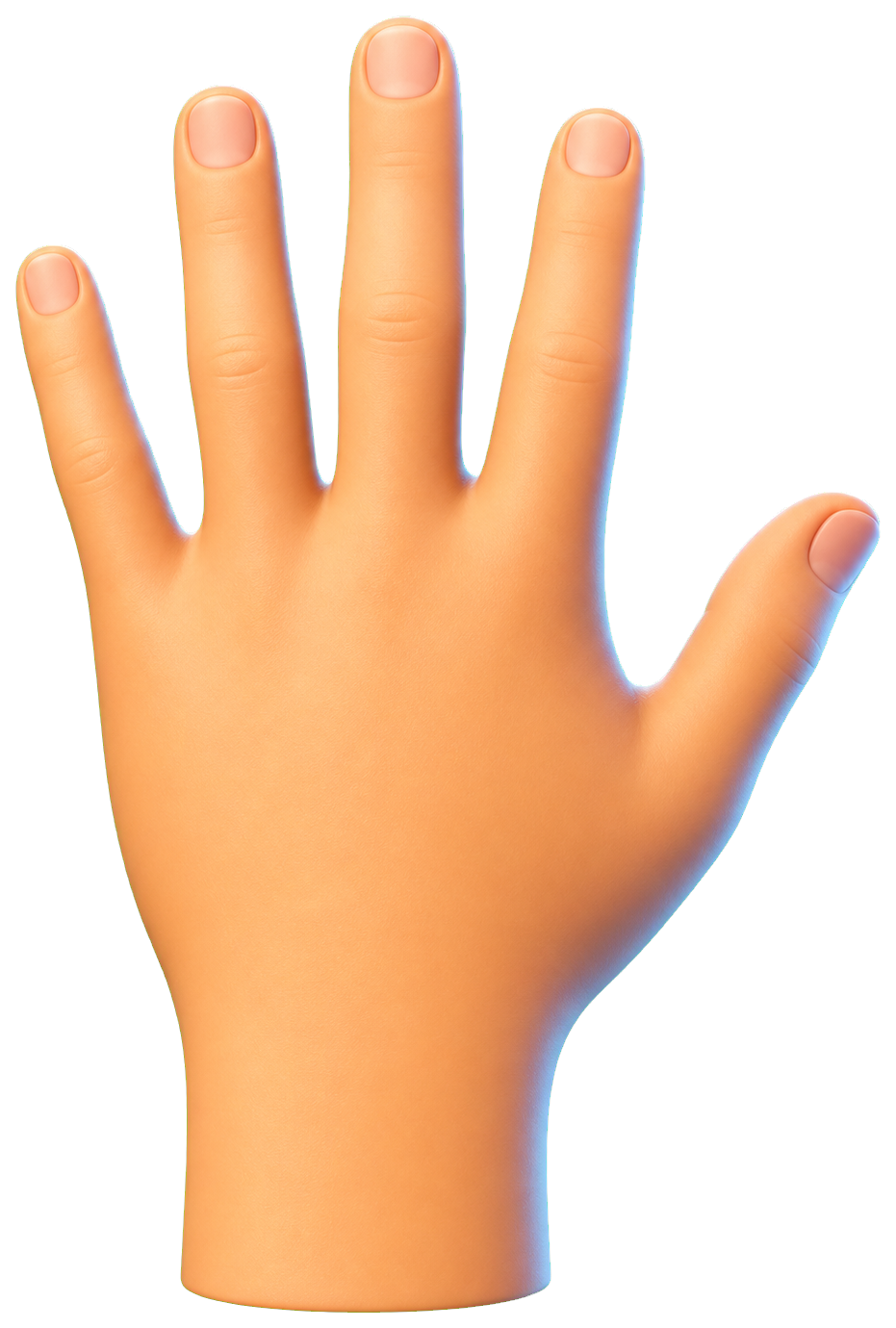
 A Q Z
S W X
D E C
F G R T V B
space
A Q Z
S W X
D E C
F G R T V B
space
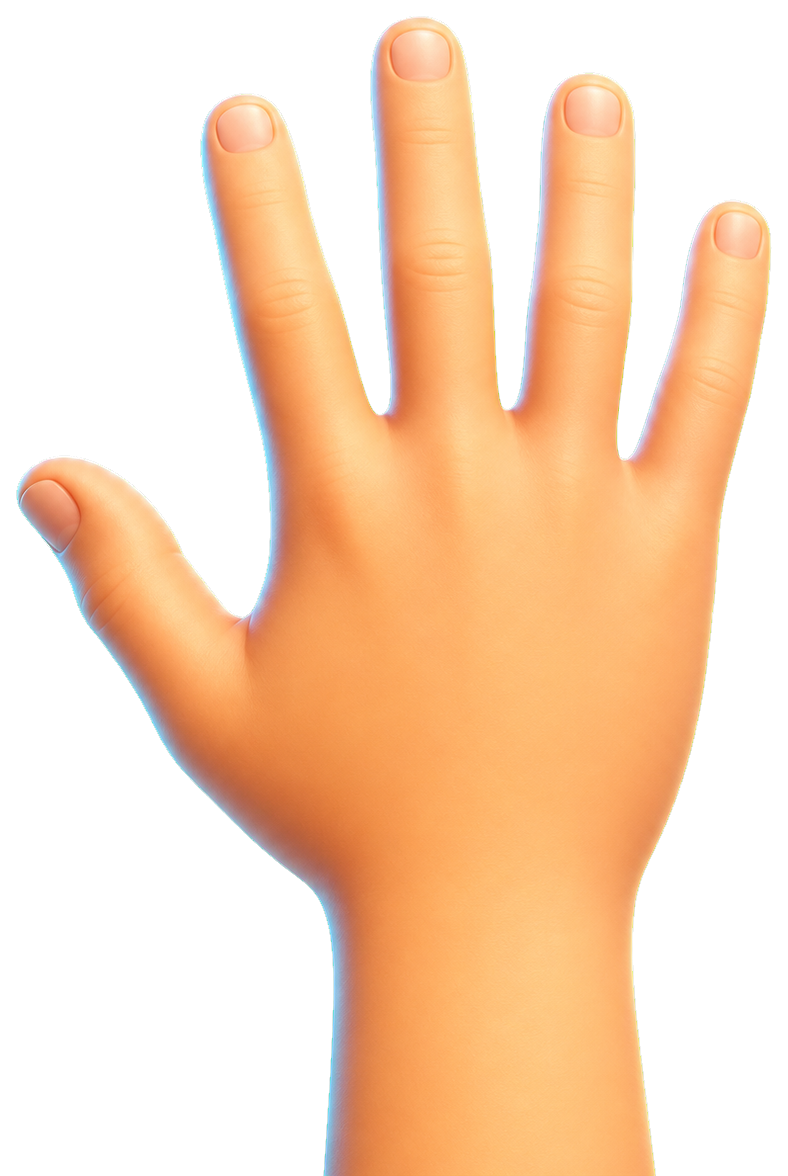 H J Y U N M
K I ,
L O .
P ; /
space
H J Y U N M
K I ,
L O .
P ; /
space
Practice without noise
A clean workspace keeps the text, caret and feedback in one visual flow during every WPM test.
A calmer way to type faster
The four Sahibzade Khalsa warriors princes were the sons of Guru Gobind Singh (1666-1708), the leader of the Sikhs in the Punjab region of the Indian subcontinent during the Mughal empire (1526-1857). In 1699, Gobind Singh (born Gobind Rai) created the Khalsa, an elite warrior band of initiated devout orthodox Sikhs to protect the innocent from religious persecution. Gobind Singh had three wives and four sons: Ajit, Jujhar, Zorawar, Fateh. All four of his sons were initiated into the Khalsa and all were executed by Mughal forces before the age of 19. Sikhism honors the illustrious martyred sons of Guru Gobind Singh in the prayer of ardas for their valor and sacrifice as "Char Sahibzade," the four princes of the Khalsa warrior order. Ajit Singh was born on January 26, 1687 CE, according to the Sikh calendar called the Vikram Samvat (SV) on the fourth day of the waxing moon in the month of Magh, SV year 1743. He was Guru Gobind Rai's eldest son, and he was born to the guru's second wife Sundari at Paonta, and at birth named Ajit, meaning "Invincible." Sahibzada Jujhar Singh was born on Sunday, March 14, 1691 CE, in the seventh of the month of Chet, SV year 1747. He was the second eldest son of Guru Gobind Rai, was born to his first wife Jito at Anandpur, and at birth named Jujhar, meaning "Warrior." Wednesday, November 17, 1696, on the first day of the waning moon in the month Maghar, SV year 1753. The third son of Guru Gobind Singh, he was born to the Guru's first wife Jito at Anandpur, and at birth named Zorawar, meaning "Brave." Born on Wednesday, February 25, 1699 CE, the 11th day of the month Phagan, SV year 1755, the youngest son of Guru Gobind Rai was born to the guru's first wife Jito at Anandpur, and at birth named Fateh, meaning "Victory."
Browse all typing paragraphs →A clean workspace keeps the text, caret and feedback in one visual flow during every WPM test.
Switch between timed typing speed tests, word goals and curated passages. Add punctuation or numbers when ready.
Review speed, accuracy, consistency and your pace across the full test so the next session has a clear focus.