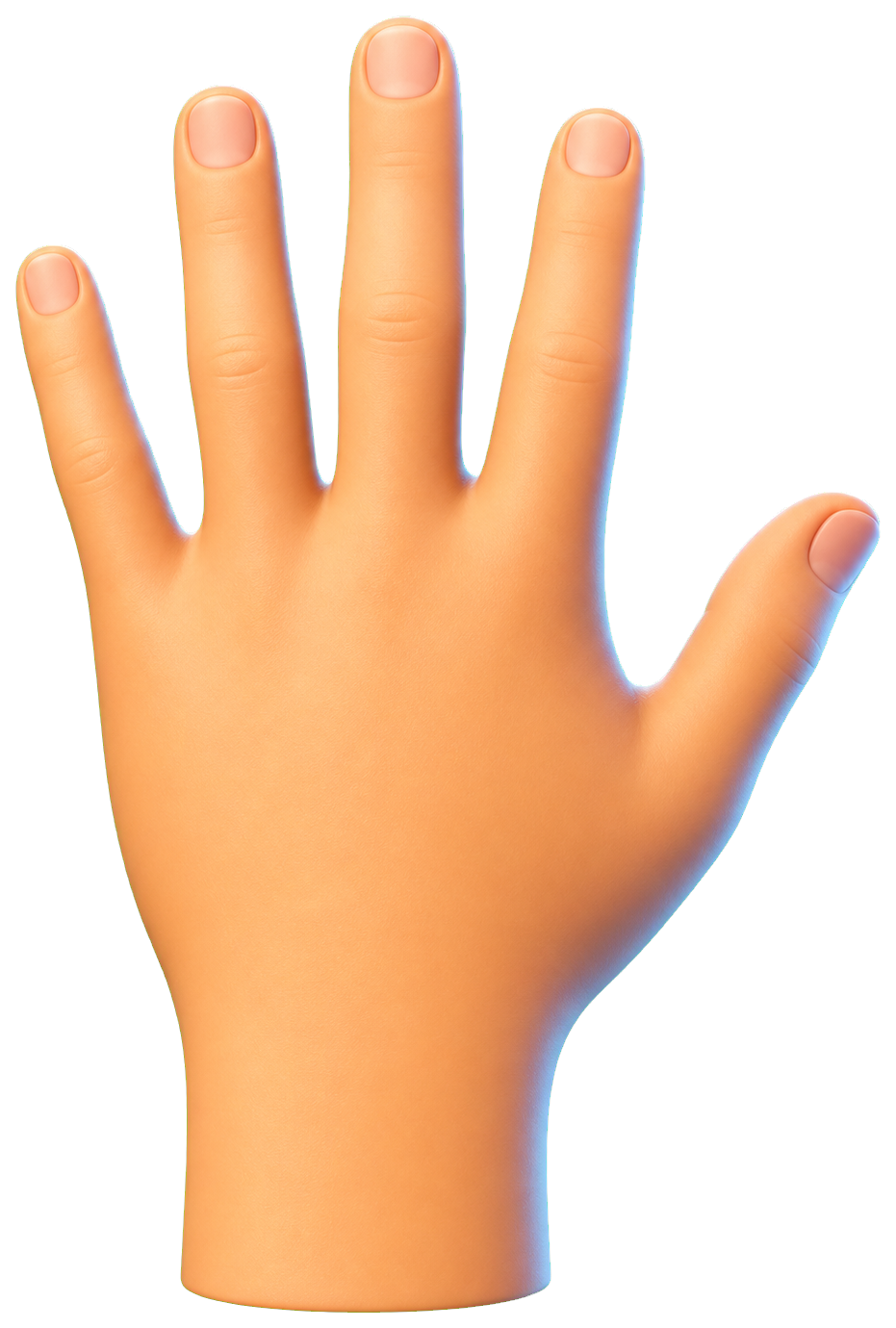
 A Q Z
S W X
D E C
F G R T V B
space
A Q Z
S W X
D E C
F G R T V B
space
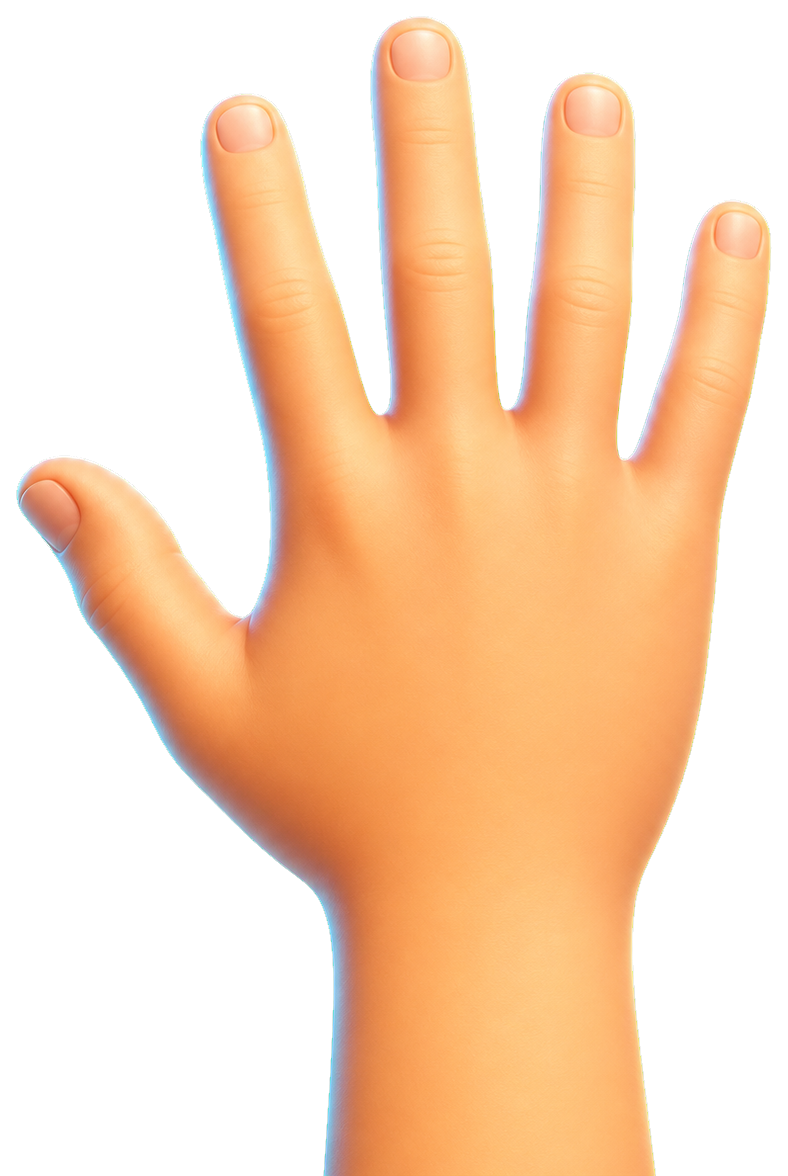 H J Y U N M
K I ,
L O .
P ; /
space
H J Y U N M
K I ,
L O .
P ; /
space
Practice without noise
A clean workspace keeps the text, caret and feedback in one visual flow during every WPM test.
A calmer way to type faster
The word Geography was first used by the Greek scholar Eratosthenes (276-194 B.C.). The word Geography is derived from two Greek words - Geo (earth) and Graphos (description), which together mean "description of the earth." The systematic arrangement of this subject at the primary level was done by the Greeks. Eratosthenes was the first to calculate the length of the equator and the circumference of the earth. Hence, he is considered the Father of Geodesy and is also called the "Father of Geography." He wrote a geographical treatise named Geographica. Hecataeus was a Greek author whose famous book Ges Periodos means "description of the Earth." Hipparchus was the first person to divide the circle into 360 degrees on the basis of Assyrian mathematics. He also invented the Astrolabe to determine longitudes and latitudes. Aristotle was the first thinker who explained, with sound reasoning, that the Earth is spherical in shape. Ptolemy, the most famous Roman scholar of cartography and general geography, inspired the geographers and explorers of the Great Age of Discoveries (14th-15th Century A.D.) to search for the Terra Incognita or "unknown lands." Strabo (64 B.C.-36 A.D.), a Roman geographer, considered the Earth to be oblong. Pliny (23-79 A.D.) wrote the famous book Historia Naturalis. Thales was the first scholar who attempted to measure the Earth. Anaximander was the first to draw maps and is regarded as the first cartographer. Both Thales and Anaximander are considered the Fathers of Mathematical Geography. According to Herodotus (known as the Father of History), "All history must be treated geographically." He was the first scholar who tried to draw meridians on a map. The period from 300 A.D. to 1200 A.D. is considered the Dark Age in Christian countries because during this period there were no important or revolutionary ideas or discoveries.
Browse all typing paragraphs →A clean workspace keeps the text, caret and feedback in one visual flow during every WPM test.
Switch between timed typing speed tests, word goals and curated passages. Add punctuation or numbers when ready.
Review speed, accuracy, consistency and your pace across the full test so the next session has a clear focus.