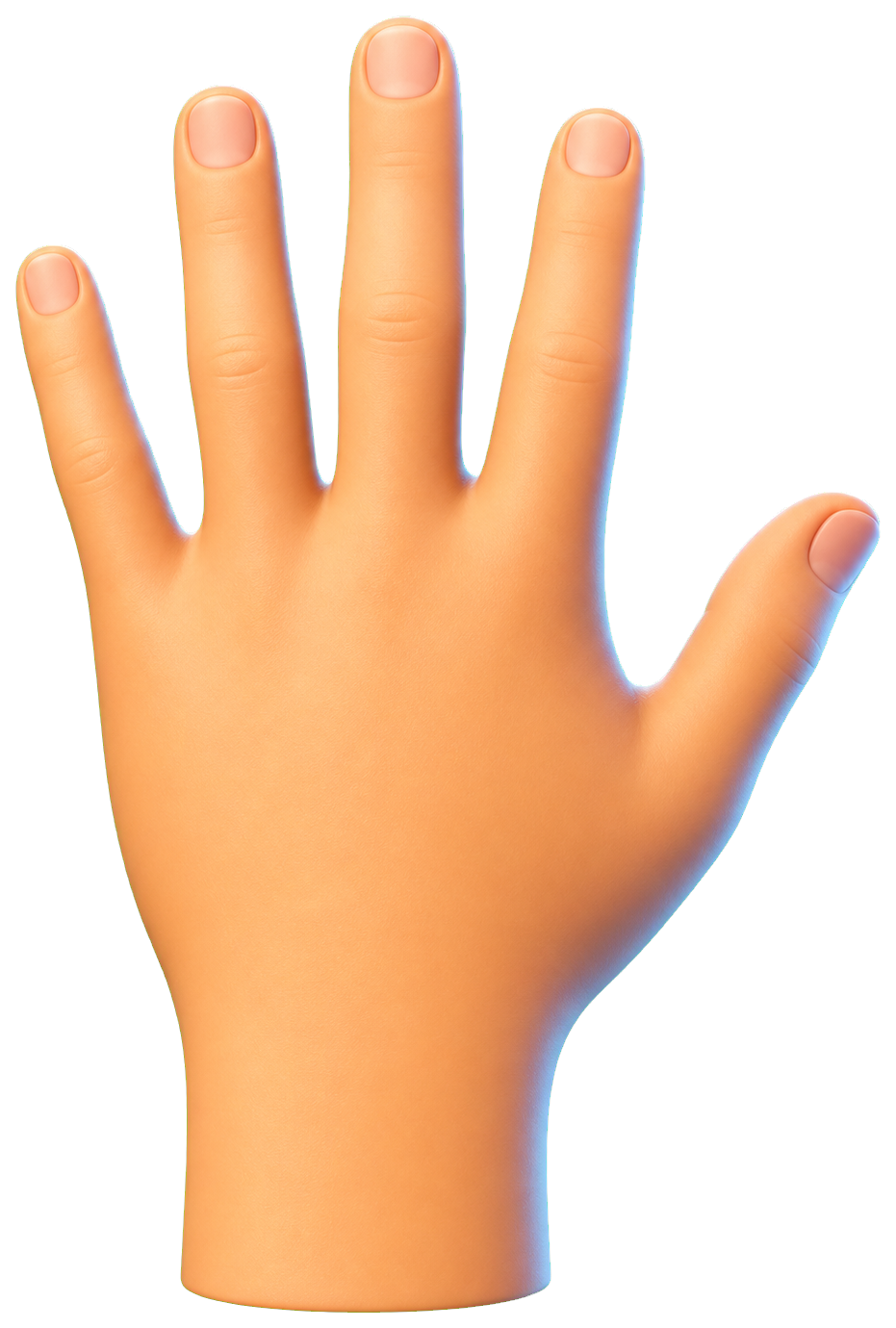
 A Q Z
S W X
D E C
F G R T V B
space
A Q Z
S W X
D E C
F G R T V B
space
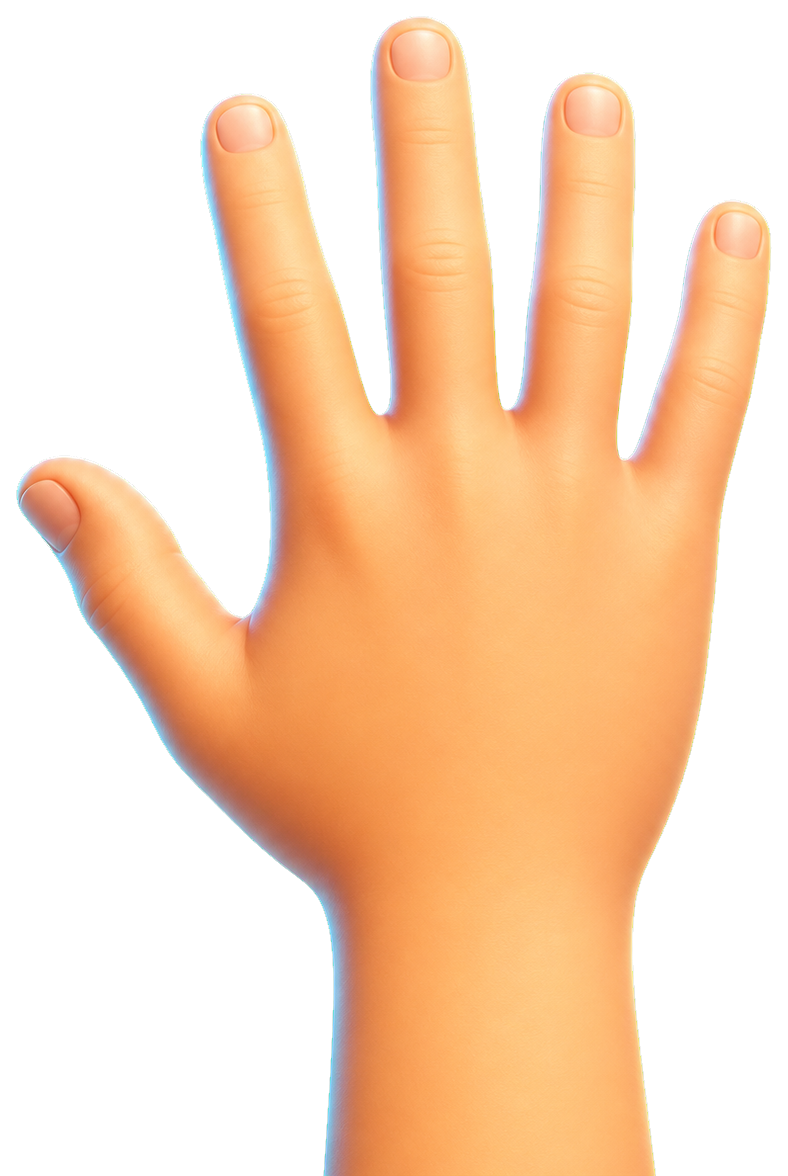 H J Y U N M
K I ,
L O .
P ; /
space
H J Y U N M
K I ,
L O .
P ; /
space
Practice without noise
A clean workspace keeps the text, caret and feedback in one visual flow during every WPM test.
A calmer way to type faster
Pollution, also called environmental pollution, the addition of any substance (solid, liquid, or gas) or any form of energy (such as heat, sound, or radioactivity) to the environment at a rate faster than it can be dispersed, diluted, decomposed, recycled, or stored in some harmless form. The major kinds of pollution, usually classified by environment, are air pollution, water pollution, and land pollution. Modern society is also concerned about specific types of pollutants, such as noise pollution, light pollution, and plastic pollution. Pollution of all kinds can have negative effects on the environment and wildlife and often impacts human health and well-being. By the middle of the 20th century, an awareness of the need to protect air, water, and land environments from pollution had developed among the general public. In particular, the publication in 1962 of Rachel Carson's book Silent Spring focused attention on environmental damage caused by improper use of pesticides such as DDT and other persistent chemicals that accumulate in the food chain and disrupt the natural balance of ecosystems on a wide scale. In response, major pieces of environmental legislation, such as the Clean Air Act (1970) and the Clean Water Act (1972; United States), were passed in many countries to control and mitigate environmental pollution. The presence of environmental pollution raises the issue of pollution control. Great efforts are made to limit the release of harmful substances into the environment through air pollution control, wastewater treatment, solid-waste management, hazardous-waste management, and recycling. Unfortunately, attempts at pollution control are often surpassed by the scale of the problem, especially in less-developed countries. Noxious levels of air pollution are common in many large cities, where particulates and gases from transportation, heating, and manufacturing accumulate and linger. The problem of plastic pollution on land and in the oceans has only grown as the use of single-use plastics has burgeoned worldwide. In addition, greenhouse gas emissions, such as methane and carbon dioxide, continue to drive global warming and pose a great threat to biodiversity and public health.
Browse all typing paragraphs →A clean workspace keeps the text, caret and feedback in one visual flow during every WPM test.
Switch between timed typing speed tests, word goals and curated passages. Add punctuation or numbers when ready.
Review speed, accuracy, consistency and your pace across the full test so the next session has a clear focus.